Home
Helping conservation nonprofits strengthen donor relationships & increase legacy giving
If you’re responsible for helping people care more deeply about your conservation mission, you’re in the right place.
If you want to boost legacy giving, you’re in the right place.
Whether your title is CEO, Development Director, Director of Philanthropy, Major Gifts Officer, Planned Giving Officer, or Communications Director, your work has a major challenge:
Helping supporters feel an emotional connection strong enough that they remain involved for years. For life.
Stories → Emotional Connection → Lasting Relationships
Stories are people-changers
The human brain is naturally drawn to stories.
Stand-alone facts and statistics? Not so much.
For thousands of years, stories have shaped what people believed, whom they trusted, and what they cared enough to protect.
That hasn’t changed.
Modern neuroscience is revealing why stories are so powerful—and why they are uniquely capable of awakening empathy, emotional connection, and even generosity
Stories → Emotional Connection → Trust → Commitment → Generosity
Stories don’t convince people to care. They awaken the caring that was already there.
Whose stories should you tell?
Some of the most inspiring conservation stories aren’t about celebrities or famous explorers.
They’re about ordinary people.
• A retired marine biology professor.
• A volunteer who counts sea turtle nests before sunrise.
• A birder who has returned to the same marsh for forty years.
• A recreational scuba diver who fell in love with coral reefs.
• A child who never forgot the first elk they ever saw.
On the surface, they seem like ordinary people living ordinary lives.
But something happened.
A moment of wonder. An encounter with beauty. An unforgettable experience in the natural world.
And that experience quietly changed them.
It shaped who they became, what they valued, and how they chose to leave the world better than they found it.
These stories quietly extend an invitation to the reader:
“Come with us. You can become part of this story too.”
The real story isn’t what these people do. It’s who they became after nature captured their heart.
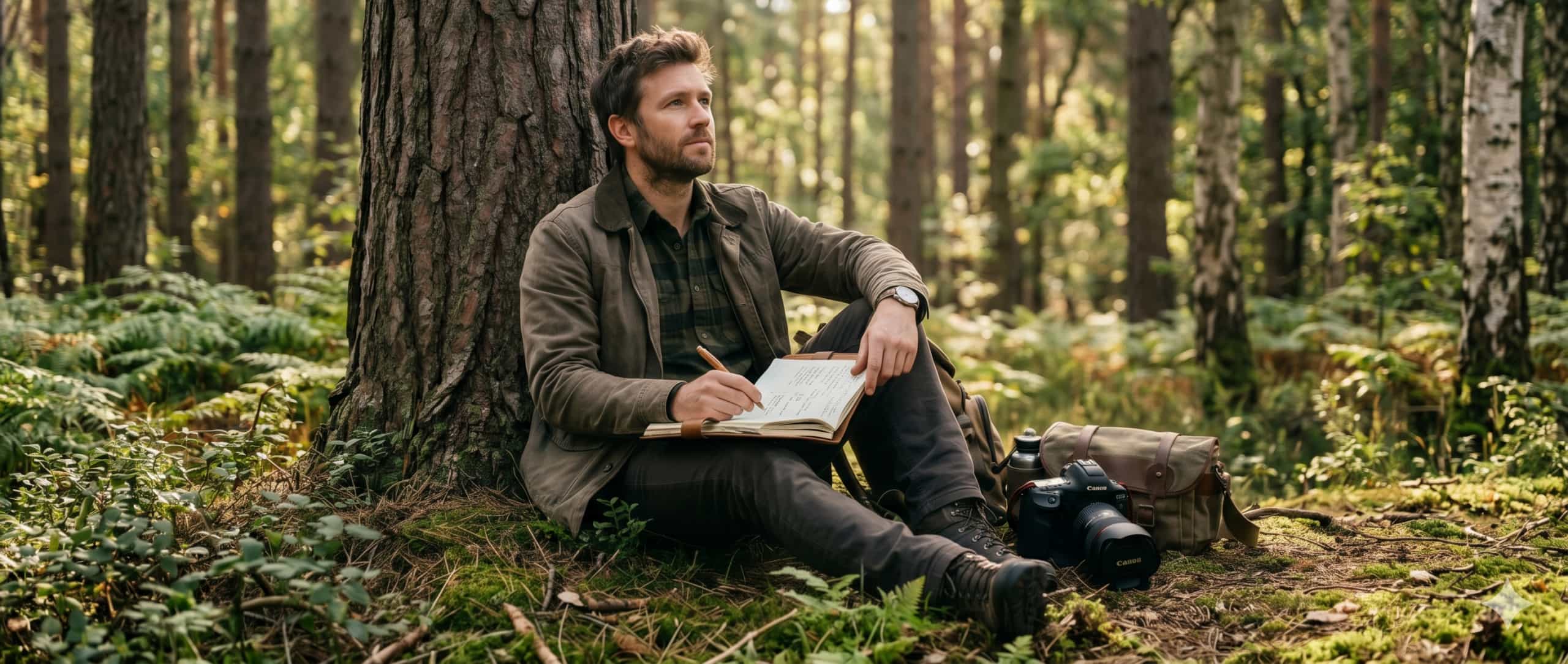
These are emotional connection-building conservation-people stories.
These are:
– Stories of how a heart was captured by the natural world.
– Glimpses into the emotional roots of conservation.
– Records of why someone chose to protect what they loved.
– An organization’s living history, told through one of its people.
– Reminders that conservation is ultimately a human story.
Falling in love with something precedes the act of protecting it.
Help your supporters fall in love with what you are doing…by telling the transformational stories of people they can relate to.
Stories → Emotional Connection → Loyal Supporters → Sustainable Fundraising
What can stories do for your donor relationships? Your legacy giving program?
We can have a no-pressure, non-salesy conversation.
I love Wonderkeeper stories. I’d like to share how I fell in love with them.
Stories → Emotional Connection → Personal Identification → Legacy Giving
“Humans are not ideally set up to understand logic; they are ideally set up to understand stories.” – Roger Shank
← Researchers, educators, influencers, and great books on storytelling for fundraising and donor relations – including studies in psychology and medical research.